We are ISO certified

Cold Storage Company
Step-by-Step Guide to Setting Up a Cold Storage Unit in India

step by step guide to setting up a cold storage unit in India
Recent Post

India wastes tonnes of food every year, and a large part of that happens simply because farmers and businesses don’t have the facility to keep the food safe at low temperatures.

Setting up a cold storage unit is one of the most practical solutions to this problem, and it’s also a profitable business opportunity.

Whether you are a farmer looking to preserve your produce or an entrepreneur planning a full-scale facility, this guide walks you through everything you need to know, from choosing the right type of cold storage unit to getting the right licenses.

Choose the Right Types of Cold Storage

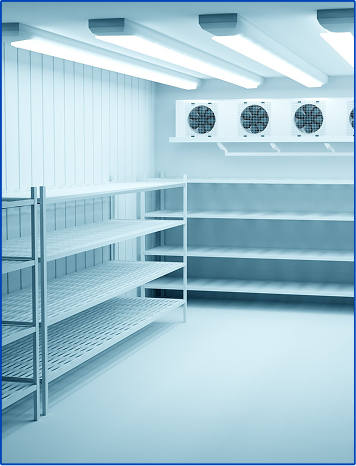
Before anything else, you need to decide what kind of cold storage unit suits your business needs. There are four main types available in India:

General Purpose (for grains, pulses, and milk products)
General purpose units are most common. They work well for storing grains, pulses and milk products at moderate temperatures, typically between 2°C and 8°C.

Modified/Controlled Atmosphere

Modified or controlled atmosphere storage is designed for fruits and vegetables like mangoes, lemons and apples. These units control oxygen and CO2 levels inside the cold storage room to slow down ripening and extend shelf life significantly.

Frozen Storage

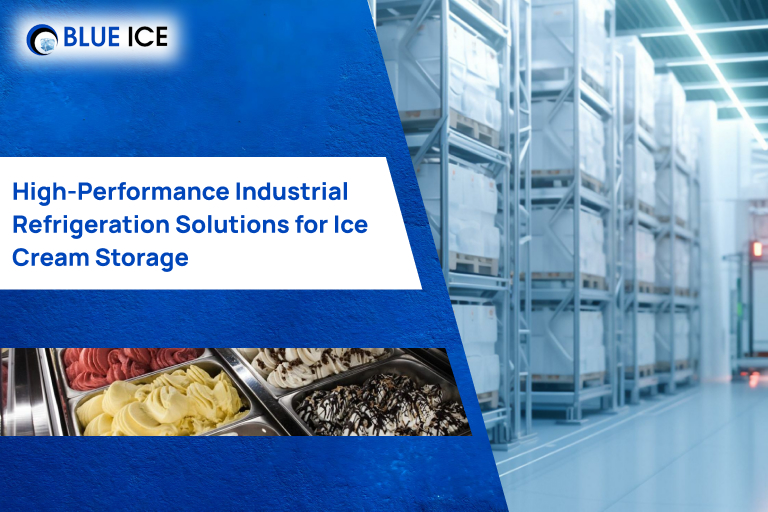
The temperature in the frozen storage goes below -18°C and is used for meat, seafood, dairy products and ice-cream. These units need heavy-duty insulation and powerful refrigeration systems.

Multi-Commodity units

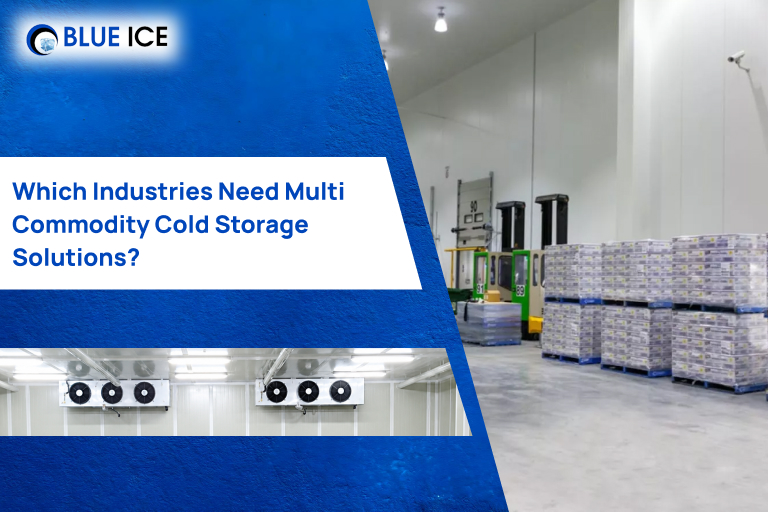
These units allow you to store different products under one roof by dividing the facility into separate temperature zones. These are ideal if you’re catering to multiple clients or commodities.

Location and Land Requirements

Picking the right location can make or break your cold storage business Here are the key factors to keep in mind:

Market Proximity

Set up your facility close to farms, mandis or distribution hubs. The shorter the distance, the lower your transport costs and produce losses.

Transport Access

Your site should have wide roads and easy access for large trucks. Poor road connectivity leads to delays and spoilage.

Power Infrastructure

Cold storage is highly power-intensive. Make sure your location has a reliable three-phase power supply. Areas with frequent power cuts will hurt your operations badly.

Drainage and Legal Clearances

The land should have proper drainage to avoid waterlogging. You should always verify that the land use permits industrial or commercial activity before signing any agreement.

Necessary Legal Approvals and Licenses

To set up a cold storage unit in India, you will need to get the following approvals.

Local Municipal Permission

You’ll need a No Objection Certificate (NOC) from the local municipal authority or panchayat before construction begins.

Food Safety (FSSAI)

It is mandatory to register under FSSAI if you are storing food products. This ensures your facility meets national food safety standards.

Environmental Clearance

Depending on the scale of your project, you may need clearance from the State Pollution Control Board, especially if your refrigeration systems use ammonia-based refrigerants.

Business Registration

Register your business as a proprietorship, partnership, or private limited company, and obtain your GST registration.

Technical Setup and Machinery

This is where the real investment happens. A well-built cold storage unit depends on quality machinery and proper insulation:

PUF Panels

PUF (Polyurethane Foam) panels are used for insulating walls, ceilings and floors of the cold storage room. They are lightweight, durable and highly effective at maintaining low temperatures.

Efficient Refrigeration Units

The compressors and condensers are the heart of any cold storage components and system. Energy-efficient models reduce electricity bills significantly over time.

Temperature and Humidity Sensors

Real-time monitoring of temperature and humidity is essential. Any fluctuation can damage the stored goods. Modern sensors send instant alerts if something goes wrong.

Air-Handling Units

Proper air circulation inside the facility ensures uniform cooling and prevents hot spots.

Backup Power Systems

A diesel generator or inverter backup is non-negotiable. Even a few hours of power failure can cause massive losses in a cold storage unit.

Understanding the Costs and Government Subsidies

The cost of setting up a cold storage facility in India depends on various factors, such as the size of the facility, its capacity and the technology used.

The good news is that the Indian government actively supports cold storage infrastructure. Under the NHM (National Horticulture Mission) and NHM/MIDH schemes, businesses can avail subsidies to set up a cold storage facility.

NABARD also offers loans at competitive interest rates for cold chain infrastructure. Many state governments have their own incentive schemes, so check with your local agriculture department as well.

It’s also worth noting that manufacturers of cold storage units in India often have tie-ups with financial institutions and can guide you through the subsidy application process.

Partner with Experts: Why Blue Ice India is Your Best Choice

Setting up a cold storage unit from scratch is a complex process, and doing it alone can lead to costly mistakes. That’s where Blue Ice India steps in.

Blue Ice India is one of the most trusted cold storage unit manufacturers in the country, with a strong track record of delivering high-quality, efficient, and customised cold storage solutions for different industries.

End-to-End Solutions

From site evaluation and design to installation and commissioning, Blue Ice India handles every stage of the project. You don’t need to coordinate with multiple vendors.

Energy-Efficient Technology

Blue Ice India uses the latest refrigeration technology that reduces power consumption significantly, helping you save big on operational costs over the long run.

Customised Storage Designs

Not every business has the same needs. Whether you need portable cold storage units for mobile operations or a large multi-chamber facility, Blue Ice India designs solutions tailored to your specific requirements.

Reliable After-Sales Support

Equipment breakdowns can be devastating in cold storage. Blue Ice India offers responsive maintenance services and annual maintenance contracts (AMCs) to ensure your facility runs smoothly, year after year.

Among the leading cold storage manufacturers in Gujarat, Blue Ice India combines technical expertise with customer-first service, making it the right partner whether you’re setting up your first cold storage unit or expanding an existing one.

Conclusion

Setting up a cold storage unit in India is a smart investment, both for reducing food waste and building a sustainable business. The process involves careful planning across type selection, location, legal approvals, technical setup, and financing.

With government subsidies available and growing demand for cold chain infrastructure, there has never been a better time to get started. And with experienced cold storage unit manufacturers in India like Blue Ice India by your side, the journey becomes a whole lot easier.


Author : Kalpesh Bhuva

Kalpesh Bhuva, CEO of Blue Ice India, brings over 25 years of expertise in refrigeration and cold chain solutions. He specializes in cold storage, modular cold rooms, multi commodity cold storage, ripening chambers, pharma facilities, and more. His vision focuses on innovation, quality, and advancing sustainable, locally manufactured cold storage technologies across India.

Facebook
Twitter
WhatsApp

Our Presence At Expo

International Dairy Federation’s World Dairy Summit (IDF WDS 2022), 12-15 September 2022 @Noida, Delhi
count sec right

Queries

Frequently Asked Questions

Q1. What is the cost of setting up a cold storage unit in India?

The cost of setting up a cold storage unit in India depends on capacity, technology, insulation, and location. Small units may start from ₹20–30 lakhs, while large-scale facilities can go into crores. Government subsidies and NABARD loans can significantly reduce initial investment costs.

Controlled or modified atmosphere cold storage is best for fruits and vegetables. These units regulate oxygen and carbon dioxide levels along with temperature, slowing down the ripening process and extending shelf life, making them ideal for produce like apples, mangoes, and citrus fruits.

To start a cold storage business, you need municipal approvals, FSSAI registration, environmental clearance (if applicable), business registration, and GST registration. These licenses ensure compliance with food safety, environmental norms, and legal business operations in India.

Cold storage units are energy-intensive and require a stable three-phase power supply. Electricity consumption depends on size, insulation quality, and refrigeration systems. Using energy-efficient equipment and proper insulation like PUF panels helps reduce power usage and lowers long-term operational costs significantly.

Location plays a crucial role in cold storage success. Being close to farms or markets reduces transportation costs and spoilage. Good road connectivity, reliable power supply, and proper drainage ensure smooth operations, lower losses, and better efficiency in managing temperature-sensitive goods.

We always happy to hear from you

blue ice left image

Keep your products safe with advanced cold storage solutions.