We are ISO certified
Cold Storage Company
We are ISO certified
Cold Storage Company
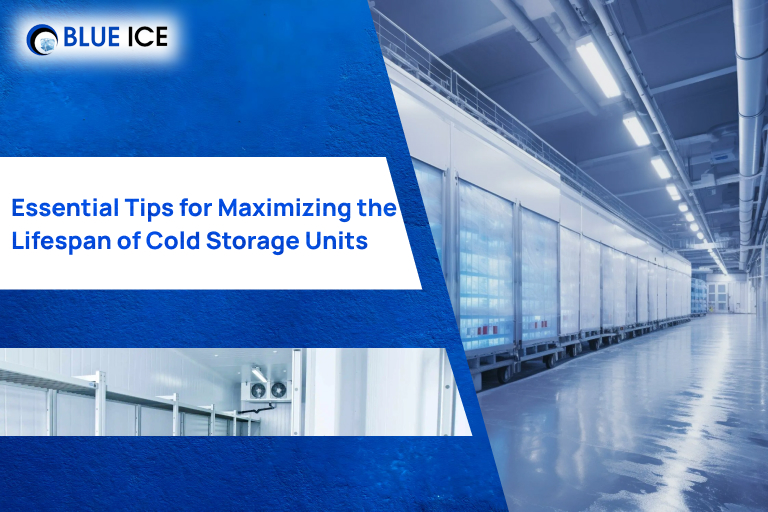
Keeping your cold storage facility in excellent shape is the key to operating a low-cost cold storage space company. This article gives some practical tips on how to ensure your cold storage systems survive with regular maintenance, temperature monitoring, cleaning regimes, and staff training.
As leading cold storage manufacturers, Blue Ice India demonstrates, such strategies help improve efficiency, compliance and quality of product in cold storage projects.
Learn how to optimise cold chain solutions for long-term reliability and savings.
Properly maintained cold storage does not deteriorate product quality but reduces operational cost and prolongs the equipment’s life.
For food processing, pharmaceuticals and horticulture, downtime or spoilage can mean huge losses.
Regular maintenance of cold storage systems, as recommended by cold storage manufacturers like Blue Ice India, prevents such risks.
Routine checks are part of the foundation of any durable cold storage facility. Check PUF panels for cracks, door seals for wear, refrigeration units for leaks/frost.
Daily visual checks and weekly detailed inspections may prevent costly repairs.
Blue Ice India cold storage systems with high-density PUF panels are tough but need routine checks.
Industry sources like Food Logistics (2024) suggest logging compressor performance and panel integrity to prevent unexpected failures to save up to 15% on repair costs.
Cold storage businesses need stable temperatures, especially for sensitive products like vaccines or seafood. Automated sensors and microprocessor-based controllers monitor conditions live. Deviations can shorten compressor life.
For example, Blue Ice India’s cold storage units have advanced controllers that maintain precise temperatures like +4°C for pharmaceuticals or -20°C for frozen goods.
Regular calibration of sensors, recommended monthly by industry standards, assures accuracy and reduces wear on refrigeration systems.
Dirt, mould or ice buildup may impair a cold storage facility’s performance. Plan weekly surface cleans & monthly deep cleans to get contaminants off the surface. Use food-safe disinfectants for cold storage projects in food or pharmaceutical sectors.
Energy costs can make up to 60% of cold storage operating expenses, according to a 2025 Refrigeration Journal report.
Use less heat-producing LED lighting and IE3-rated compressors to reduce electricity use. Seal pipes and look for air leaks to prevent energy loss.
Blue Ice India’s cold storage units use cyclopentane PUF panels, which have 30% better thermal retention than standard materials. Their regular maintenance ensures high energy efficiency, lower cost and extended system life.
Unsafe handling can damage cold storage equipment. Train staff on correct door usage, loading and safety procedures to prevent wear.
For example, leaving doors open can create frost buildup and strain refrigeration units.
High humidity causes corrosion and creates mould in cold storage areas, and shortens equipment life.
Install dehumidifiers and monitor RH even for low-RH applications such as seed or chocolate storage. Aim for 30-40% RH for sensitive environments.
Blue Ice India cold chain solutions include low-RH cold storage designs that reduce dehumidifier energy use by up to 40%.
Per ASHRAE recommended practice, periodic checks of humidity controls will prevent corrosion and preserve structural integrity.
Outdated parts decrease efficiency and cause breakdowns. Upgrade older compressors or controllers with energy-efficient models from reputable cold storage manufacturers. Upgrades improve performance & extend unit life years.
Keeping detailed logs of inspections, repairs and upgrades for your cold storage facility. Documentation reveals performance trends and conformity to regulations in the food and pharmaceutical industries. Use digital tools for live updates and access.
A reputable cold storage manufacturer provides quality components and support. Blue Ice India’s cold chain solutions include PUF panels with Class O fire ratings.
Also, get access to maintenance guidance and advice that should last 10-20 years with proper care. Partnering with such manufacturers simplifies repairs and upgrades as you get offerings for compatible parts and expert advice for your cold storage project.
Ice accumulation limits refrigeration efficiency in cold storage units. Plan periodic defrosting to clear buildup and improve airflow at least annually.
Follow CDC suggestions for thorough cleaning during defrosts to remove residues. Proper defrosting of Blue Ice India’s systems helps clients report better performance.
Also, implement pest control measures: Seal entry points, use traps and check frequently for infestations that damage insulation or contaminate products.
Combining these with good housekeeping, such as clearing spills promptly, will help protect cold storage areas and prolong their service life.
We at Blue Ice India understand that maintaining your cold storage facility is important for its efficiency and longevity.
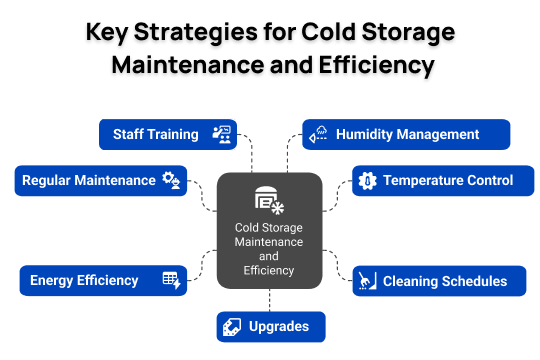
Implementing regular inspections, temperature monitoring, cleaning routines, energy-efficient practices, staff training, humidity control, proactive upgrades and detailed documentation will prolong the life of your cold storage units.
Adapted to cold storage businesses, such strategies ensure product quality, regulatory compliance and cost savings, enabling you to make your operations reliable and sustainable.
Want to extend your cold storage project with top cold chain solutions? Call us to find out how we can help your cold storage business grow!
Kalpesh Bhuva, CEO of Blue Ice India, brings over 25 years of expertise in refrigeration and cold chain solutions. He specializes in cold storage, modular cold rooms, multi commodity cold storage, ripening chambers, pharma facilities, and more. His vision focuses on innovation, quality, and advancing sustainable, locally manufactured cold storage technologies across India.

Queries
Regular maintenance prevents breakdowns, ensures consistent cooling, and extends equipment life while reducing operating costs.
Consistent temperature monitoring with automated sensors reduces strain on compressors and maintains product quality.
Weekly surface cleaning and monthly deep cleaning using food-safe disinfectants help prevent contamination and maintain performance.